Gallery of Houses
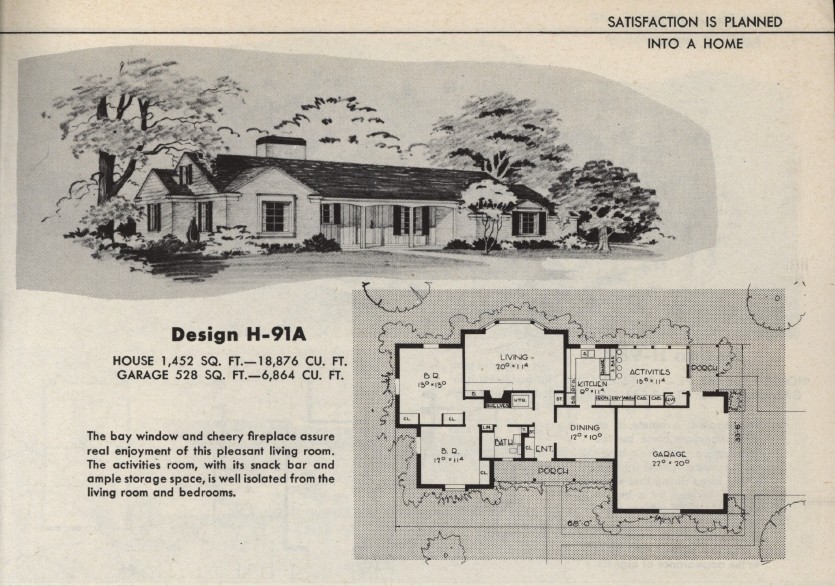
Sansone’s subdivision is known for its rich diversity of almost 150 homes, with no two exactly alike. Each home has its own style, floor plan, orientation, materiality and detailing. All of these homes start with a designer/architect. Most are built from stock plans purchased by the homeowner or provided by a builder. A few homes are custom built after plans of an architect commissioned by the homeowner. Following is a gallery of homes that illustrate the great variety of houses that define Sansone’s subdivision.
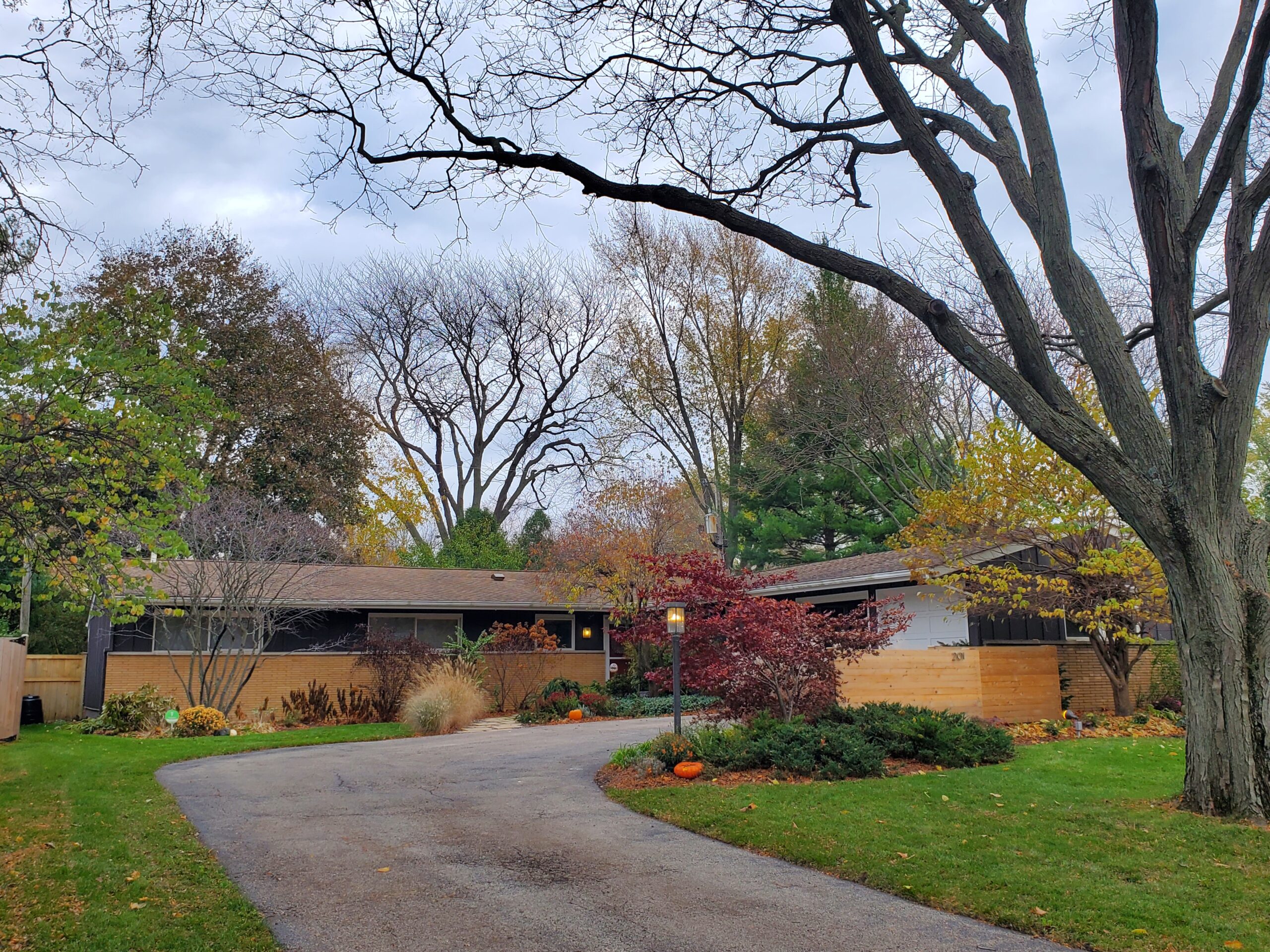
Art Devine
THE ICONIC
Art Devine
THE ICONIC
Arthur J. Devine (1910–1987), more than any other builder, had an outsized role in the look and feel of housing in Sansone’s subdivision. Devine put his own stamp on the neighborhood, building more homes – about 20 and probably more – in Sansone’s subdivision than any other builder, including two for himself. His trademark home was the new look contemporary ranch with gray lannon stone veneer and chimney, casement windows, vertical tongue and groove siding, deep angled eave overhangs and tall windows in the public spaces and ribbon/clerestory windows in the bedrooms — a theme repeated in many homes with some variation and might even be called the “Art Devine style.”
BROWSE THE
Collection of Homes

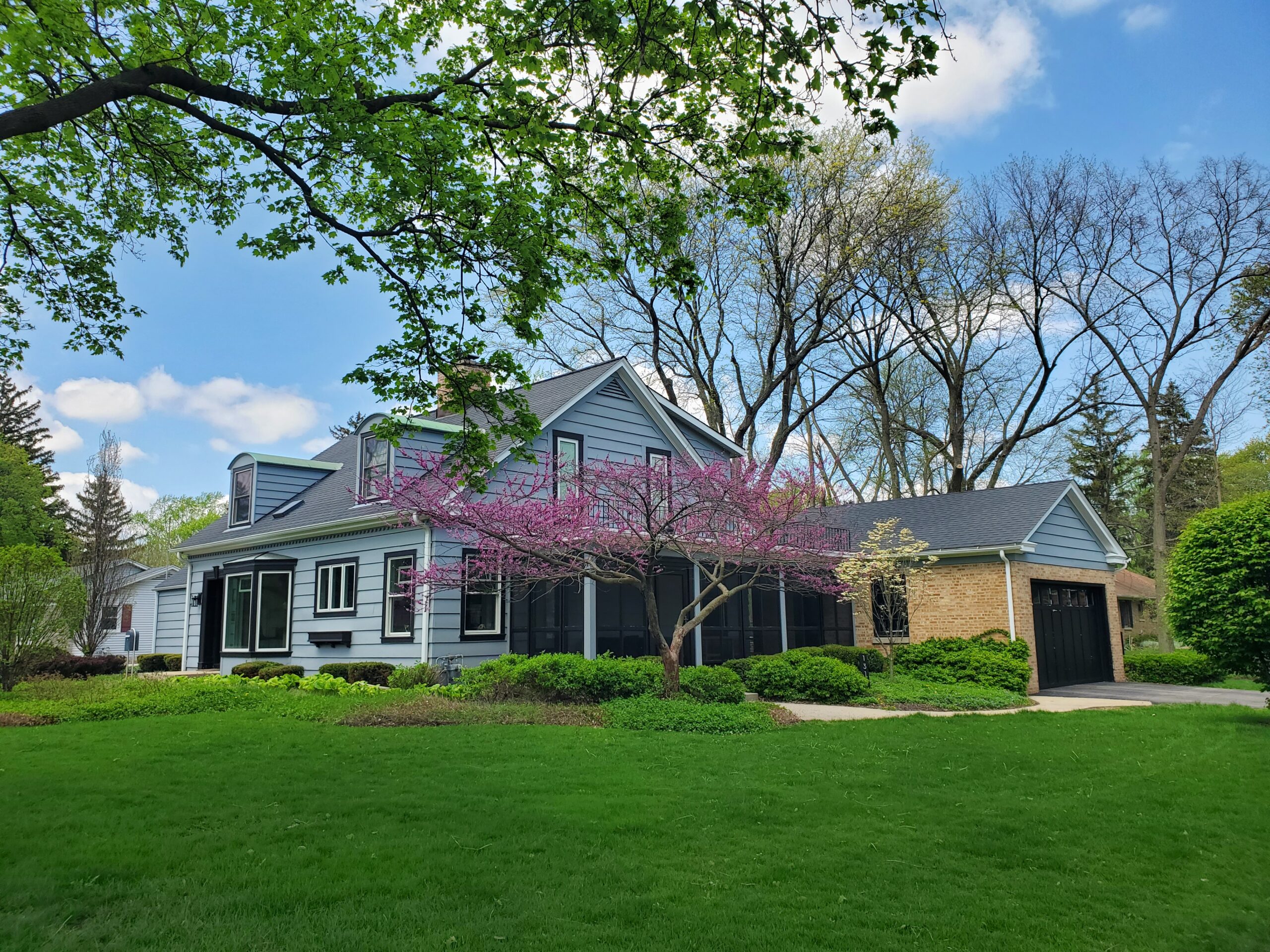
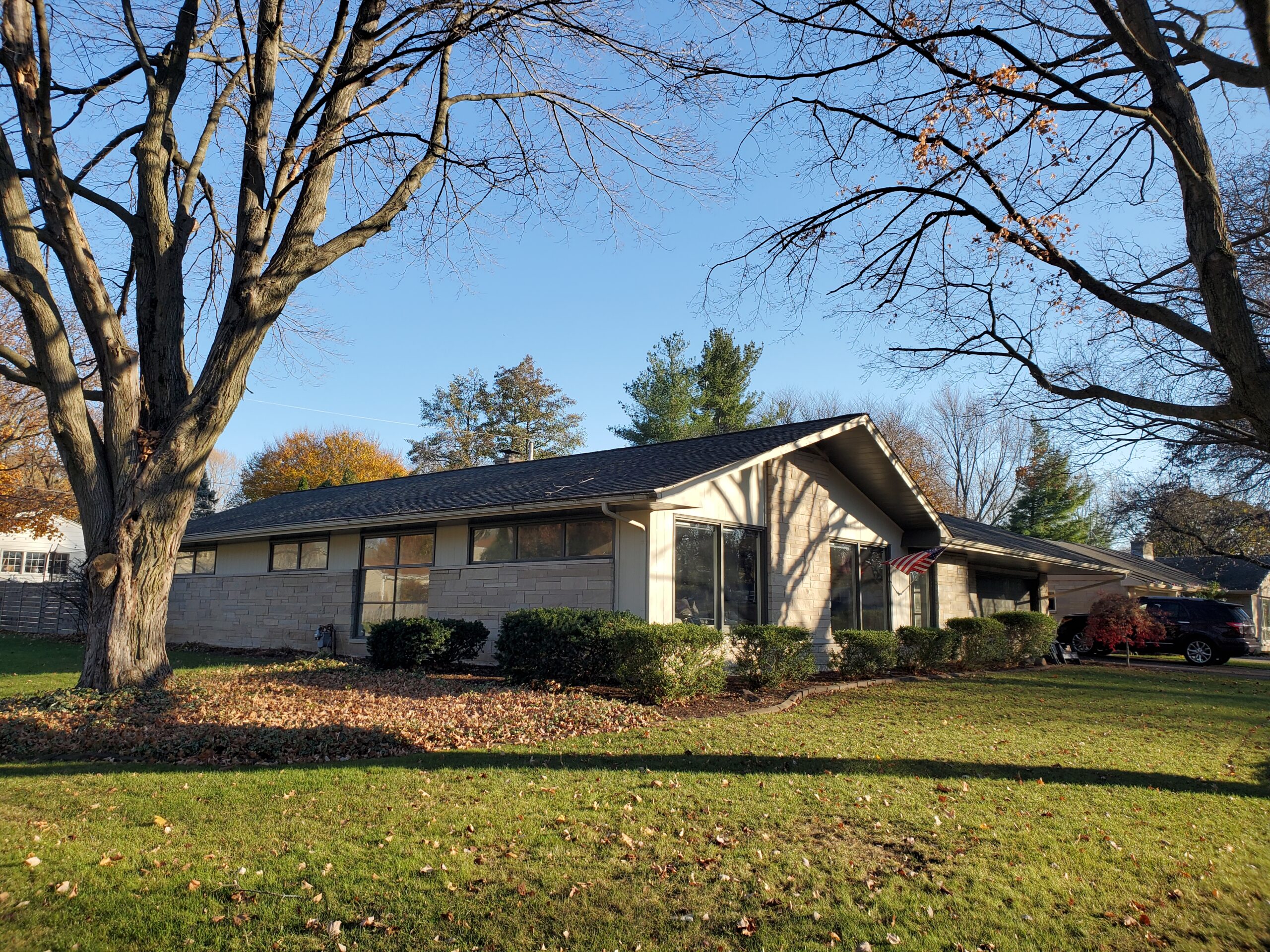
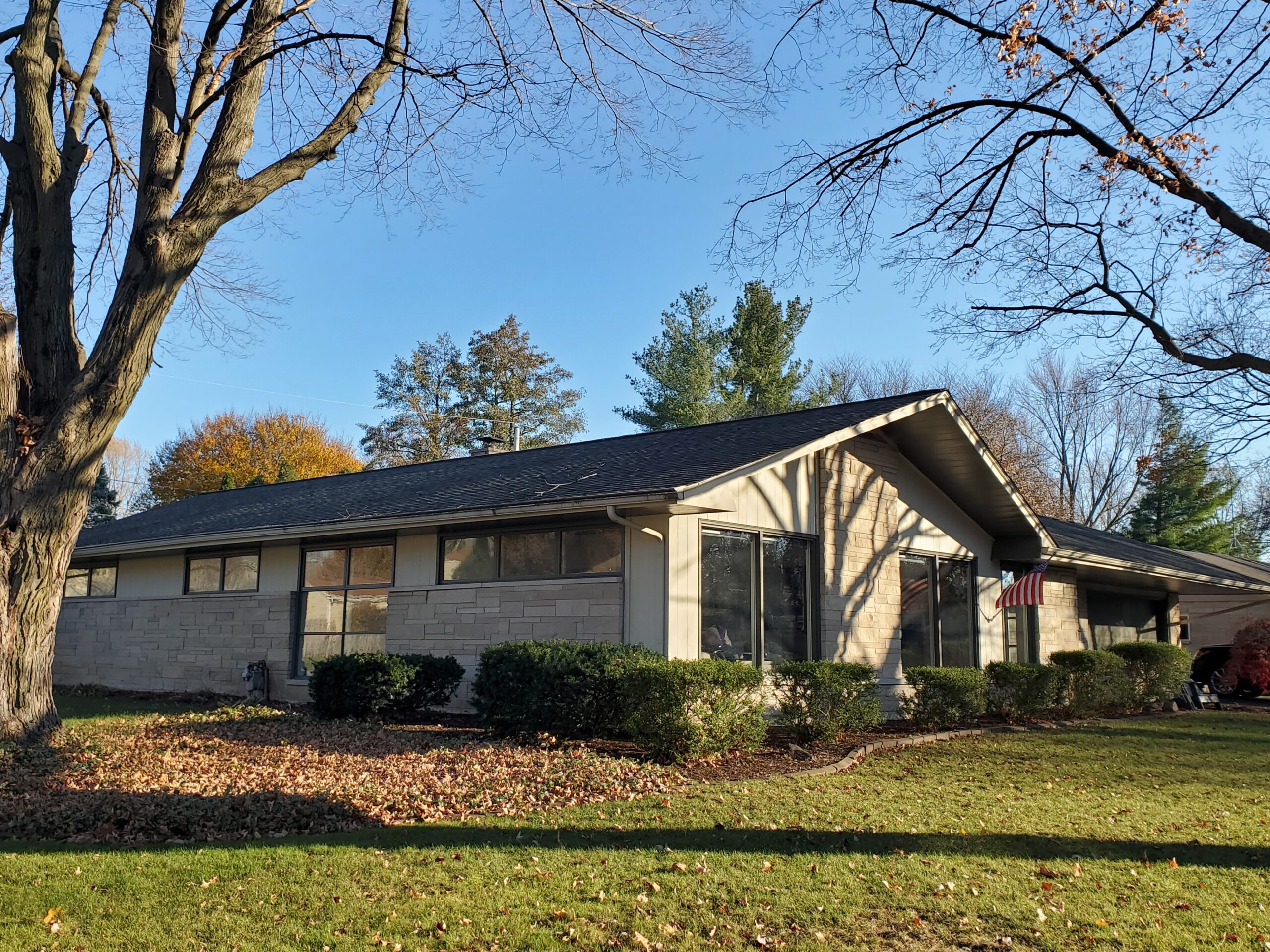

1315 W. State – 1946
Frank Fairbank
Colonial Revival
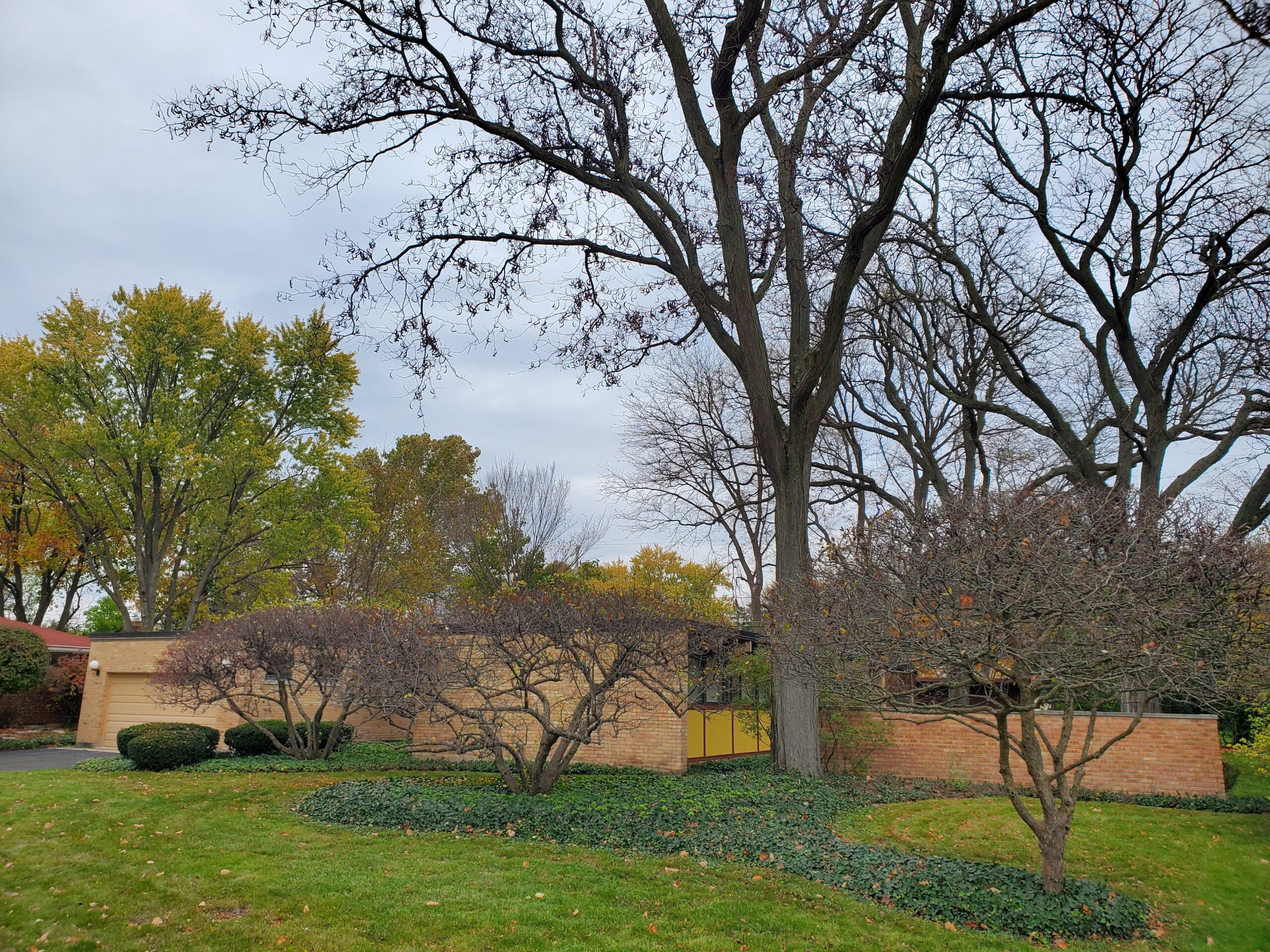
501 Charles – 1956
William Horn – James Keiser
Contemporary

401 Pine – 1955
James Keiser
Contemporary
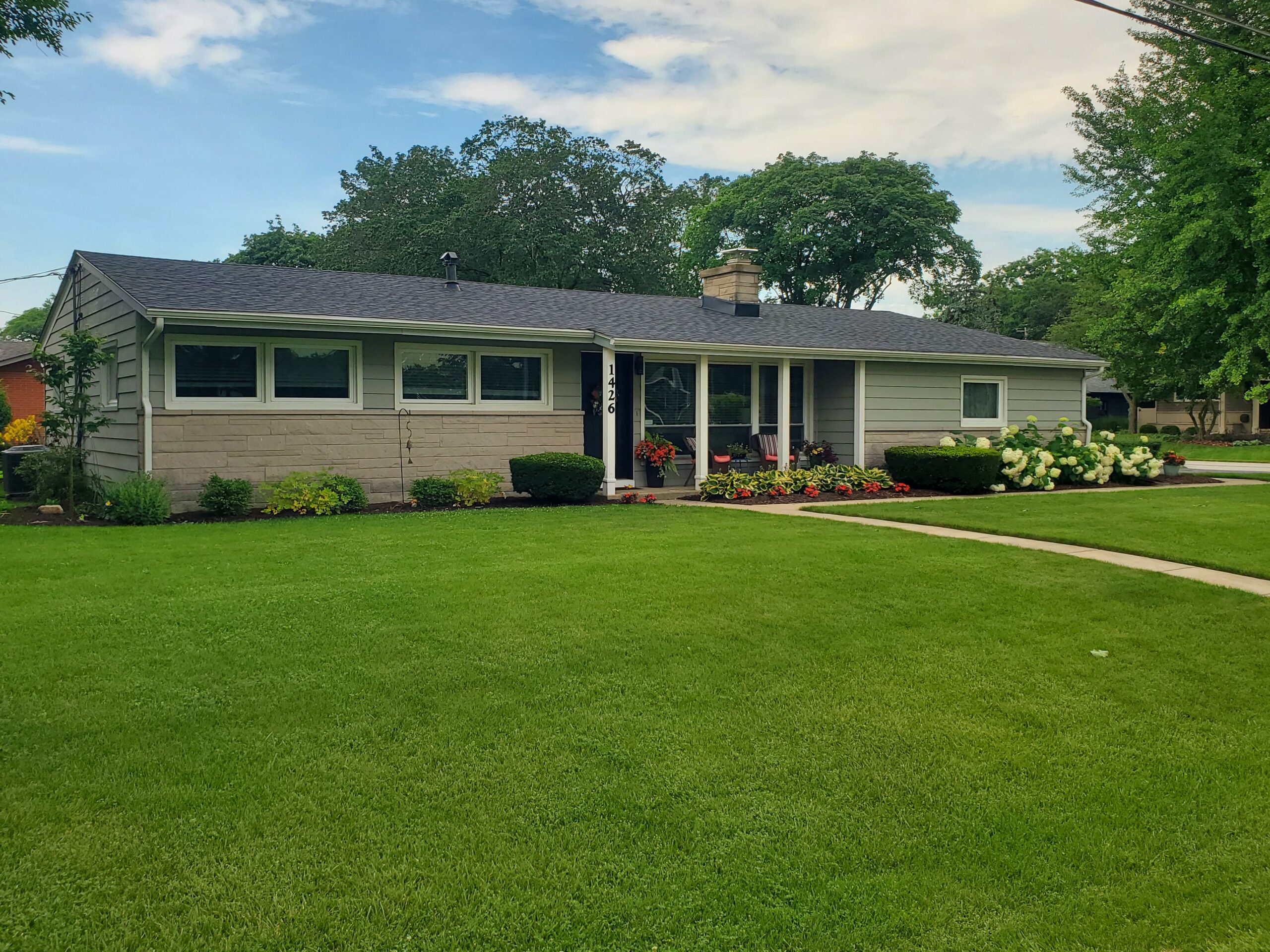
1426 Center -1958
Ranch
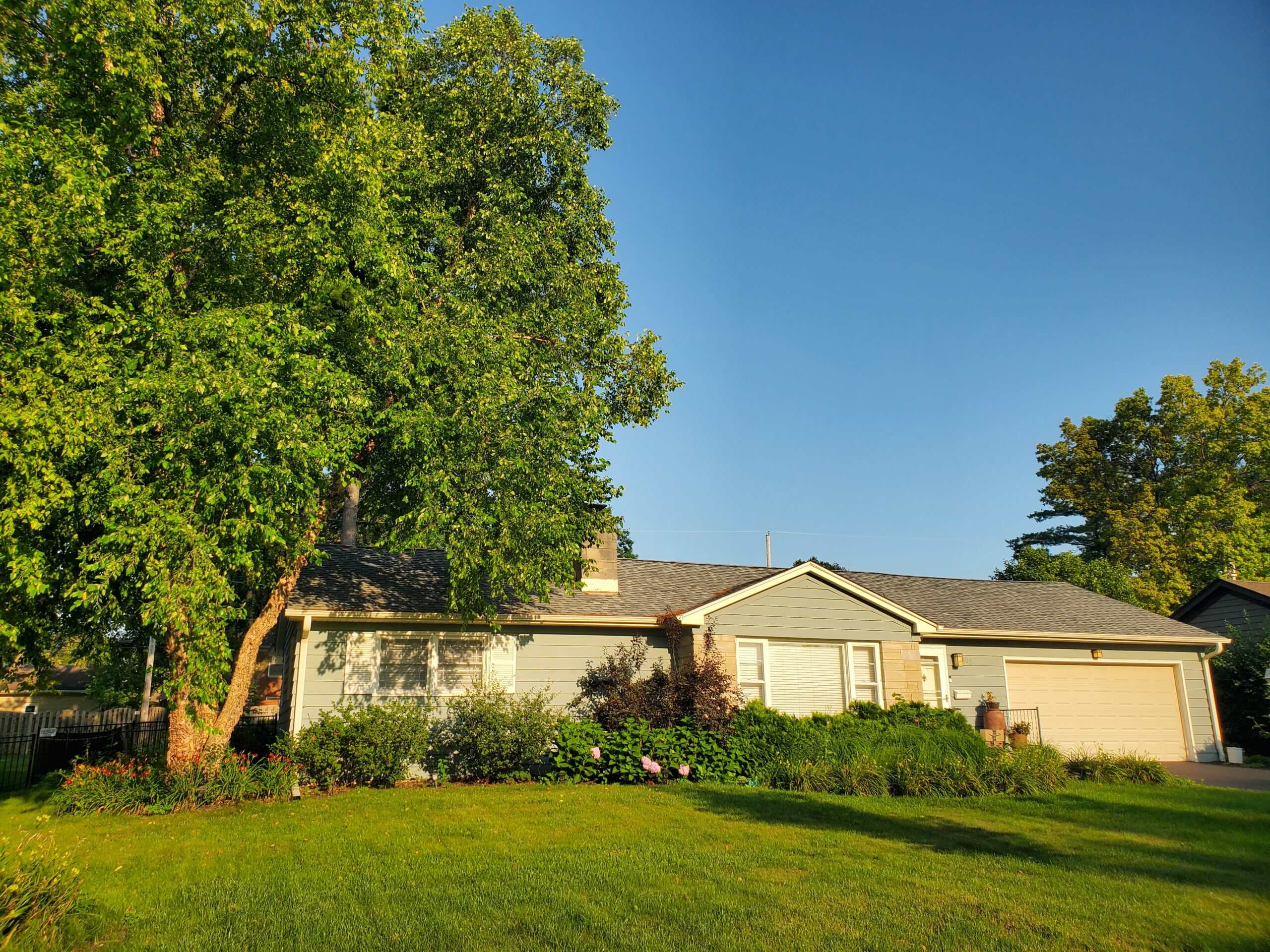
402 Maple – 1956
Ranch


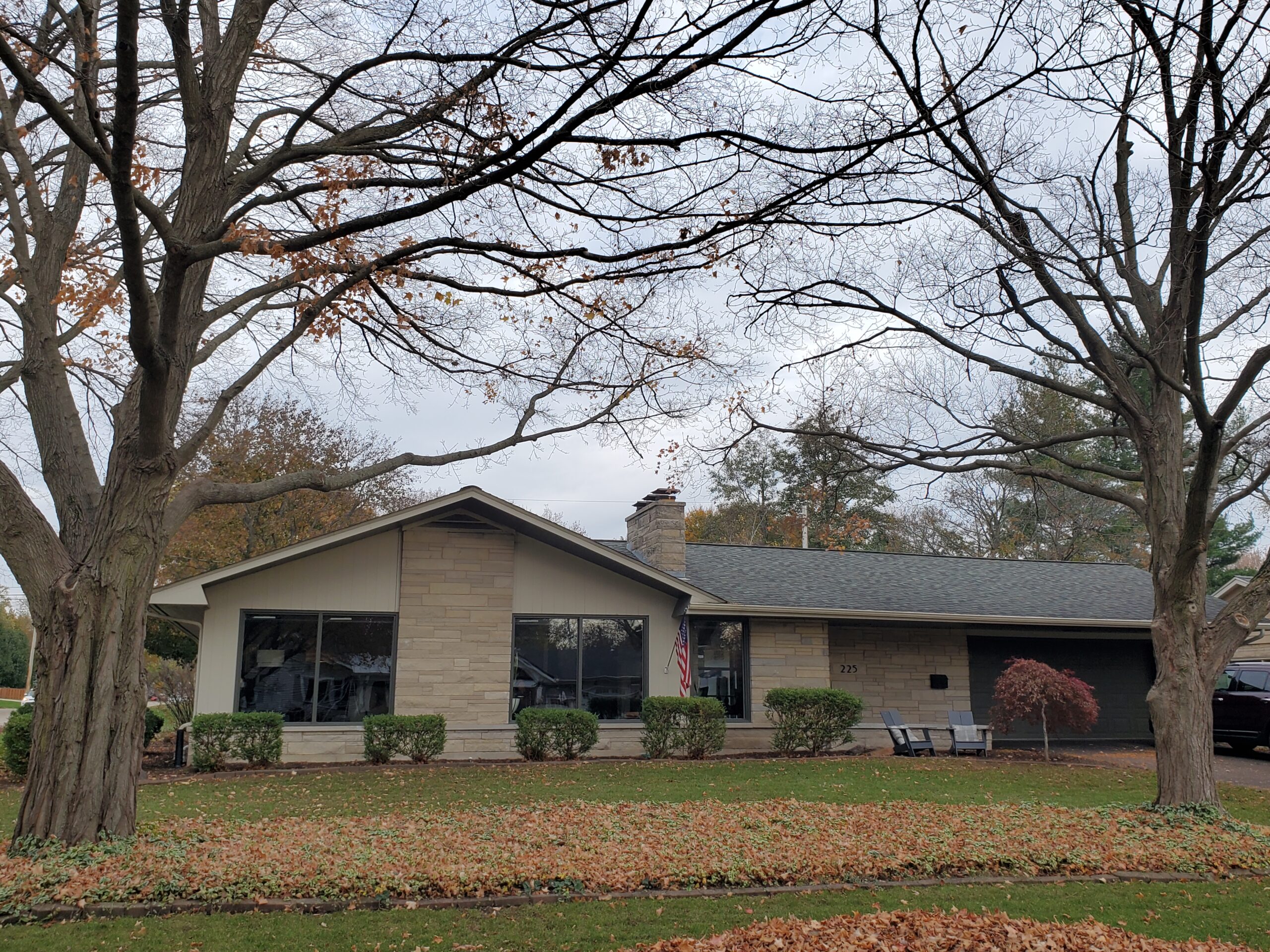
621 Maple – 1958
Arthur J. Devine
Split Level
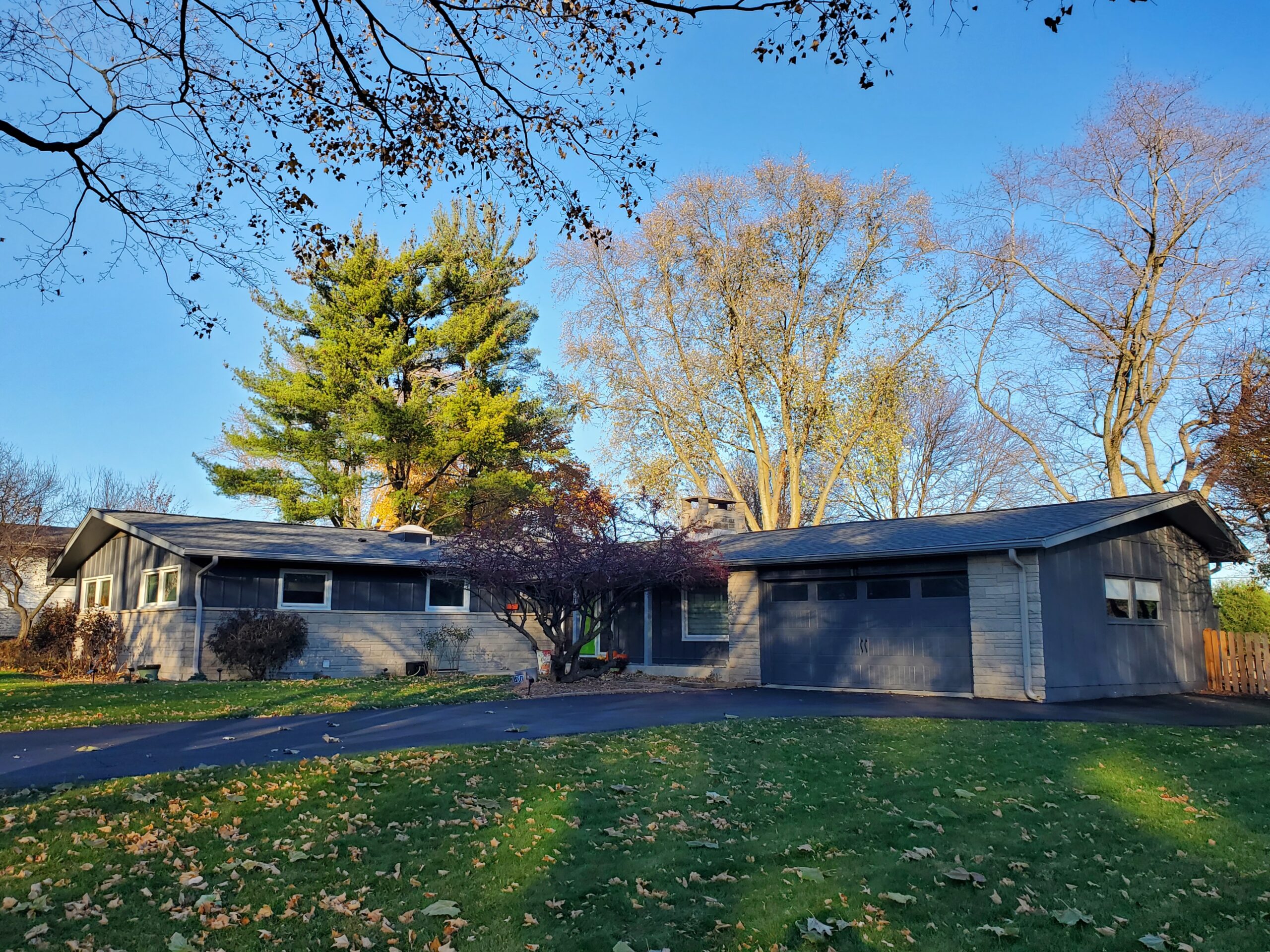

315 Willow – 1959
Split Level


527 Willow – 1960
Ranch


401 Charles – 1953
Contemporary
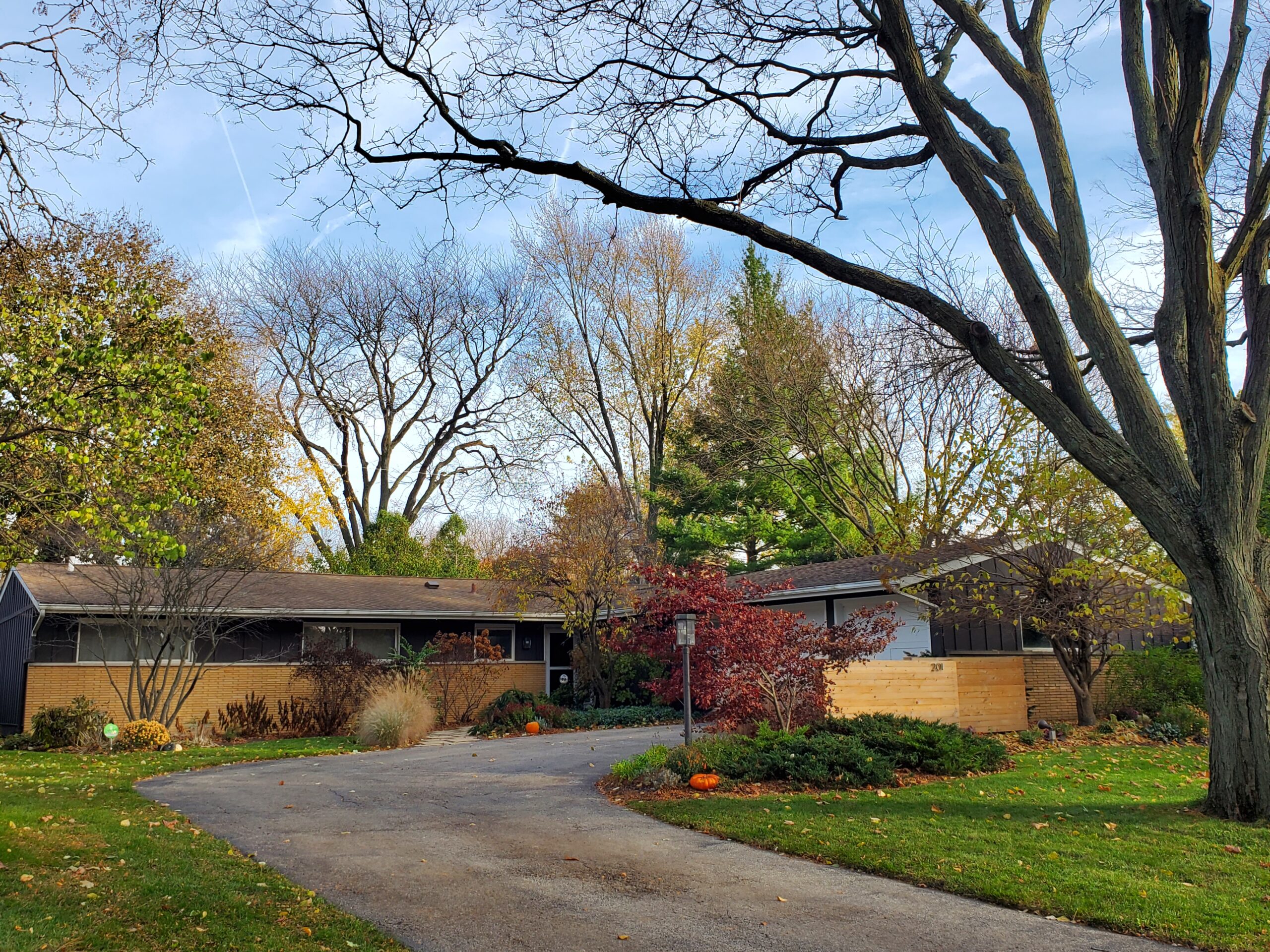
201 Pine Street – 1955
Ranch
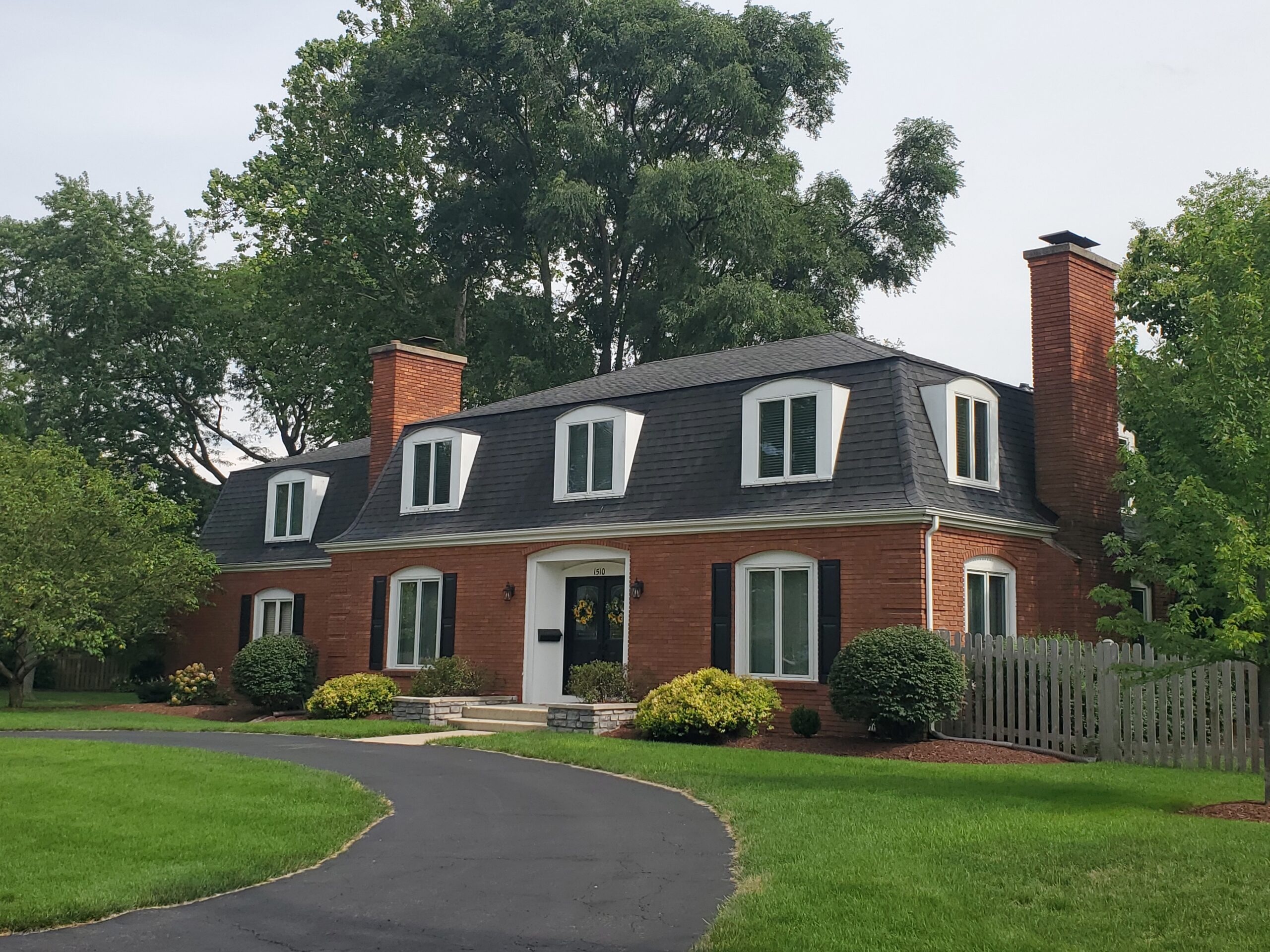
1510 North – 1963
Arthur J. Devine
Mansard

316 Maple – 1956
Ranch
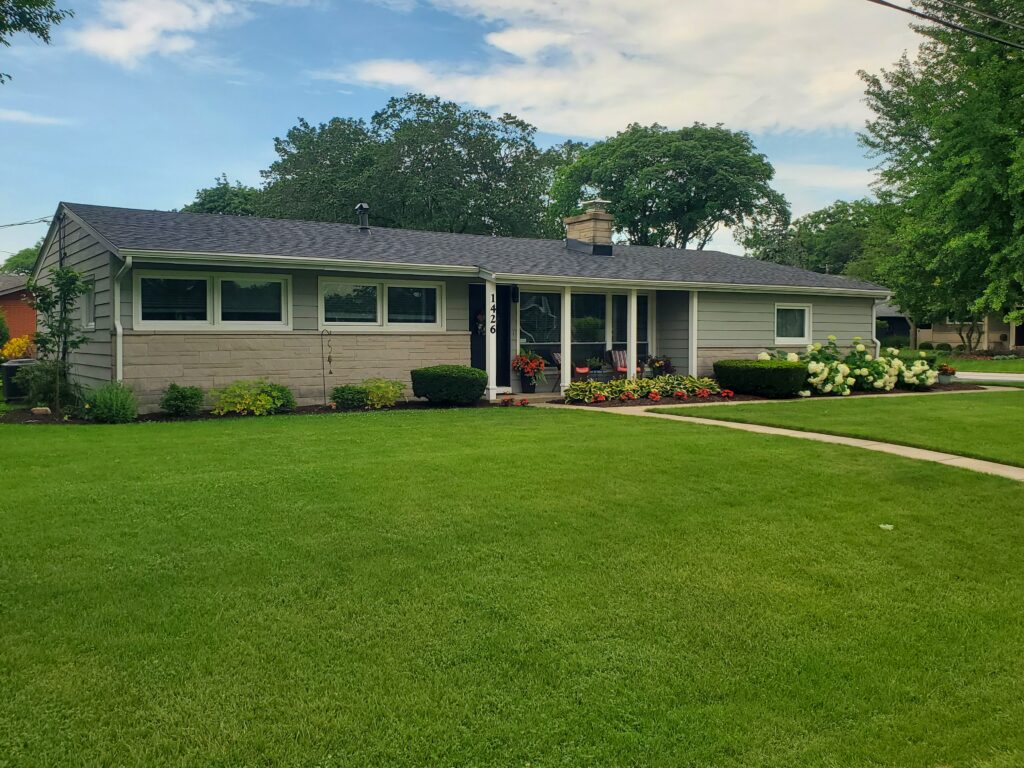
426 Maple – 1957
Arthur J. Devine
Ranch


701 Maple – 1959
Ranch
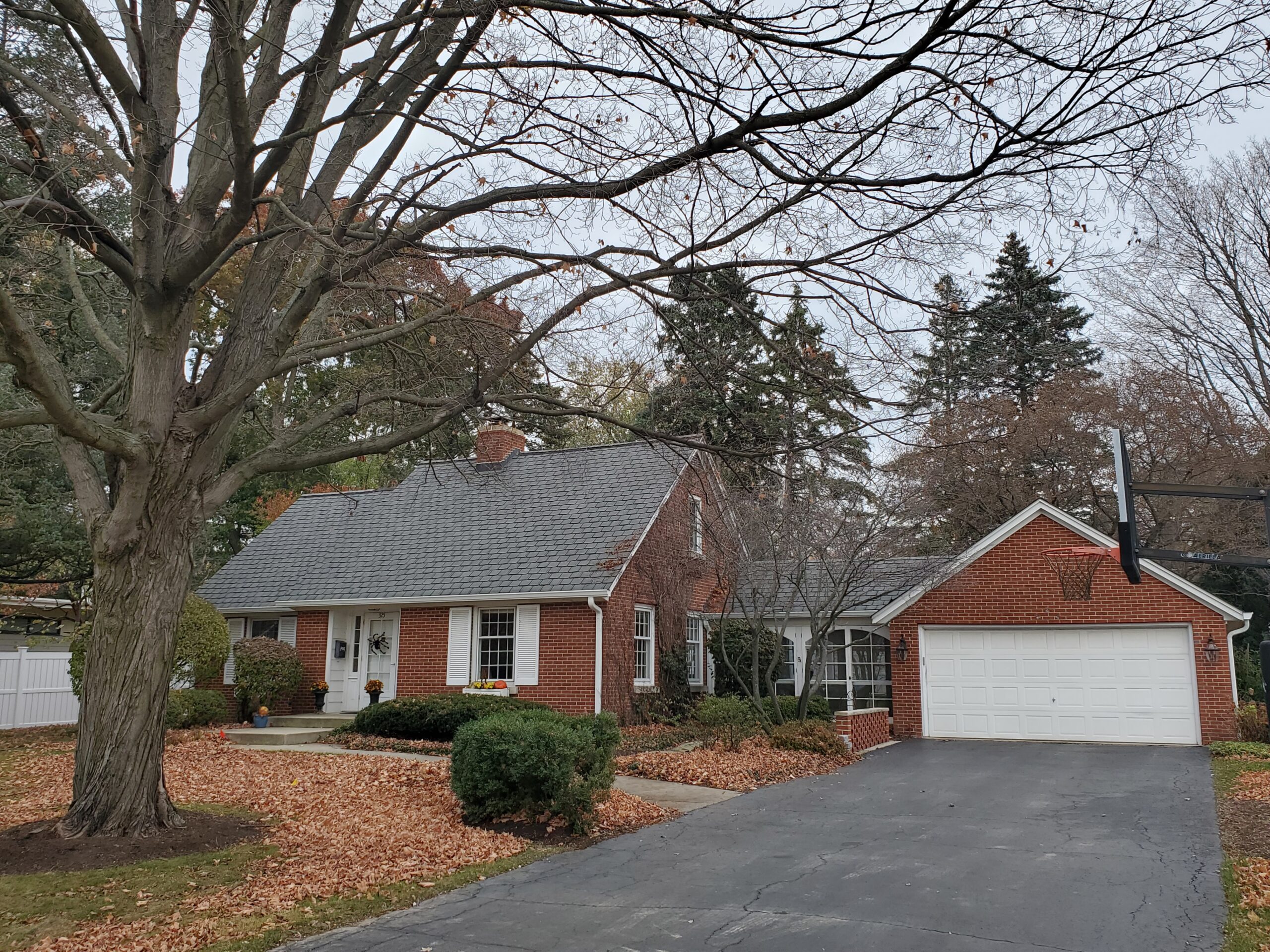
316 Willow – 1961
Split Level
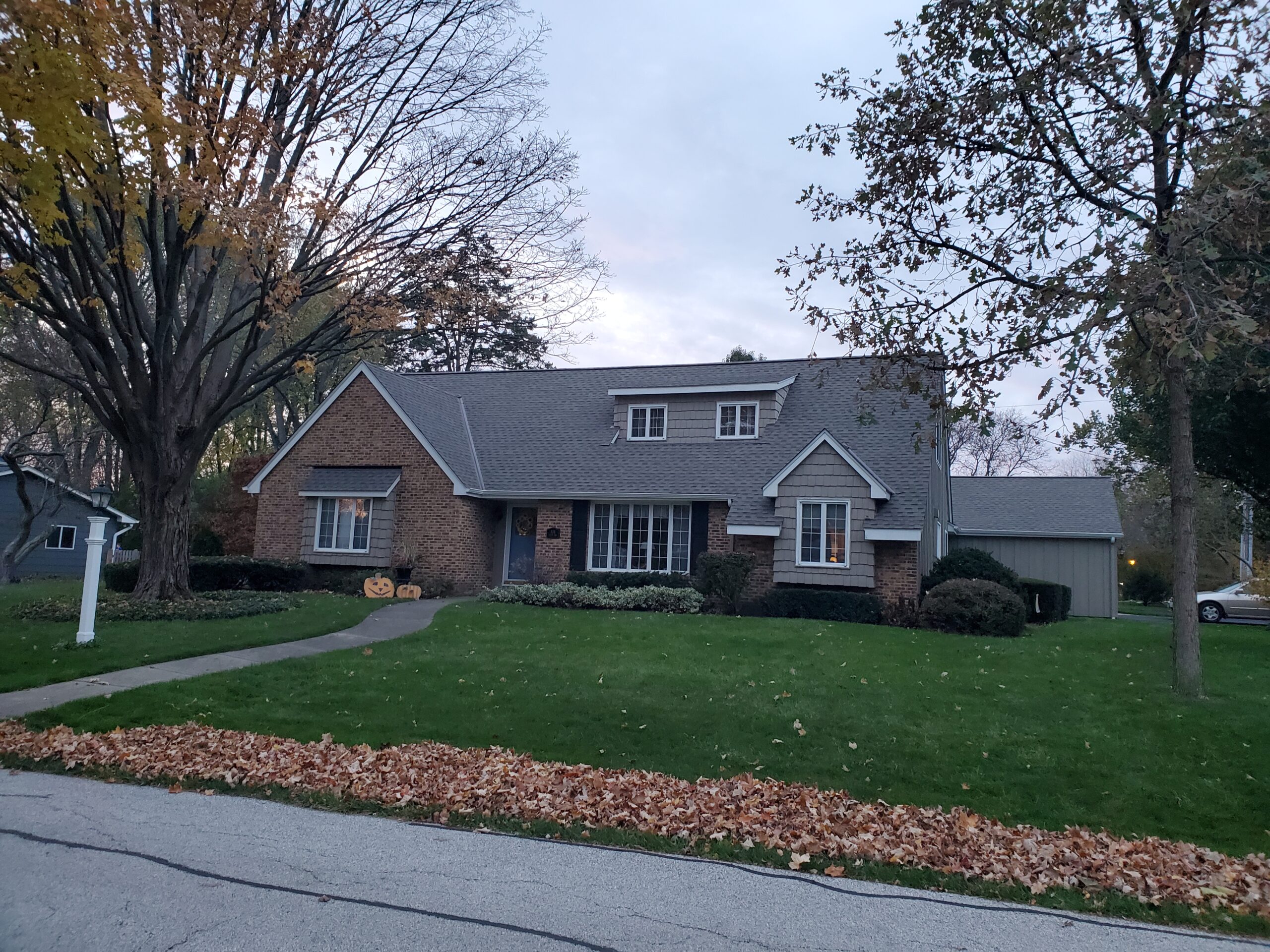
607 Willow – 1961
Larry Hanson Builders
Ranch
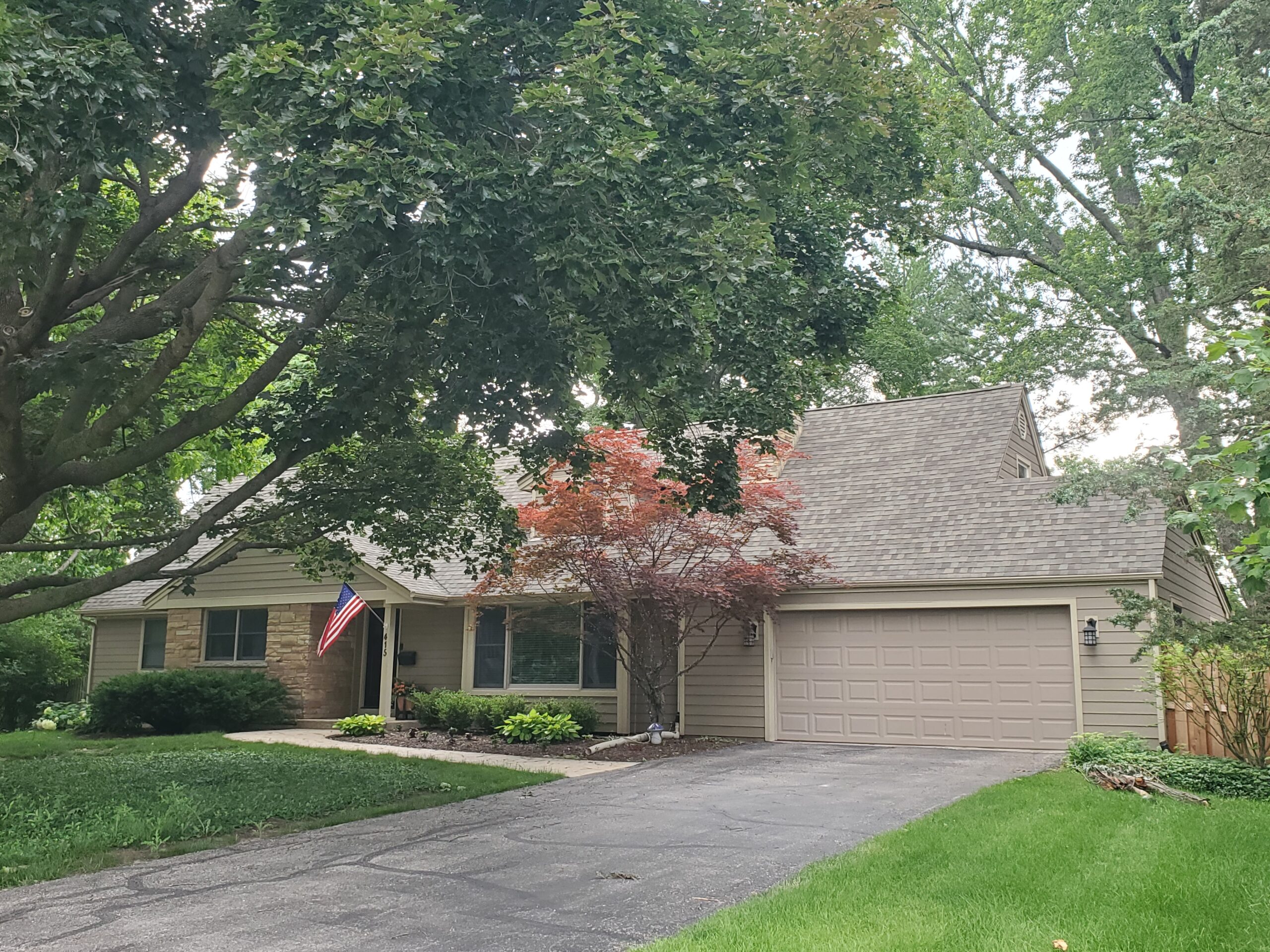
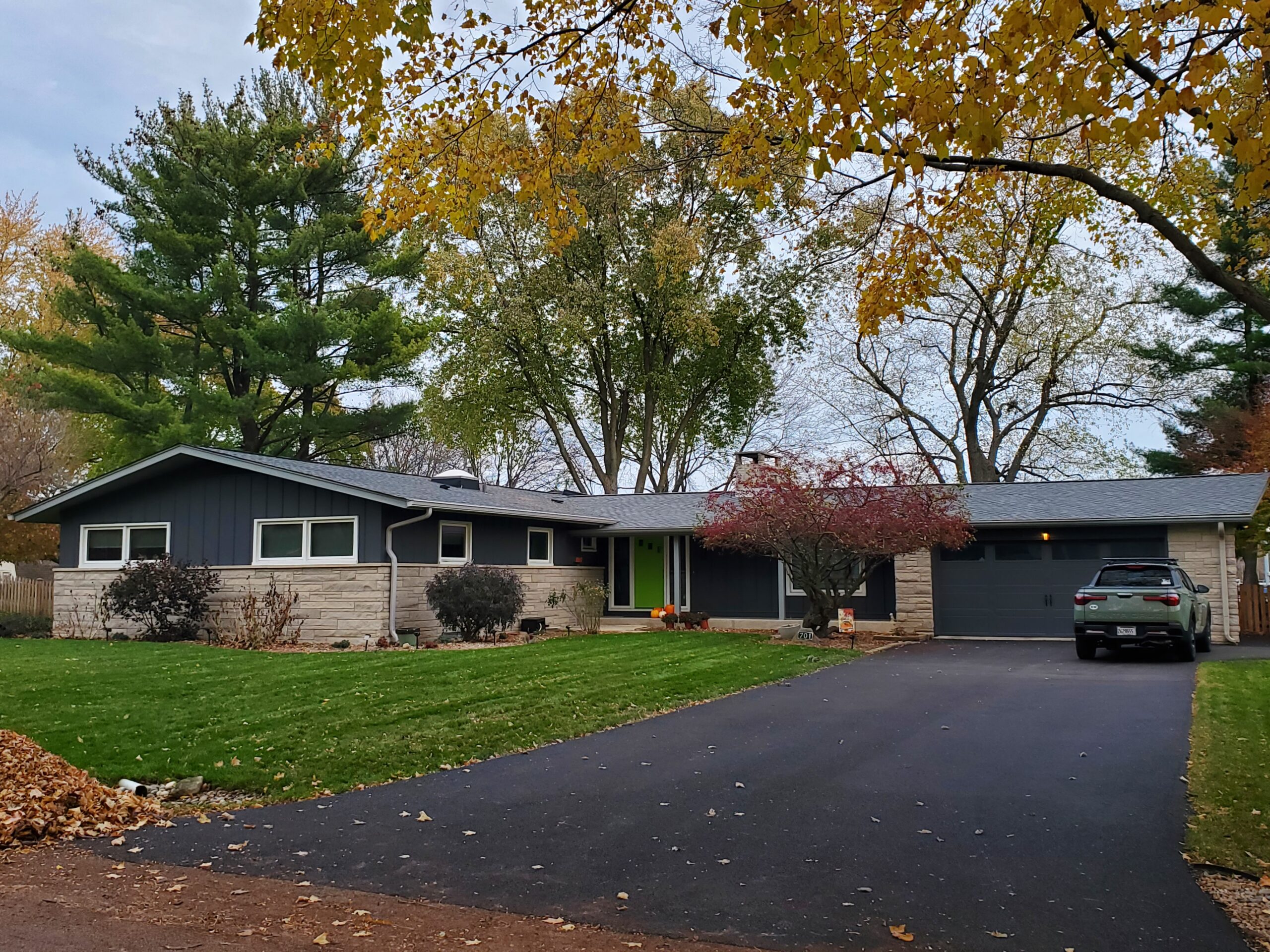
415 Charles – 1953
Minimal Traditional
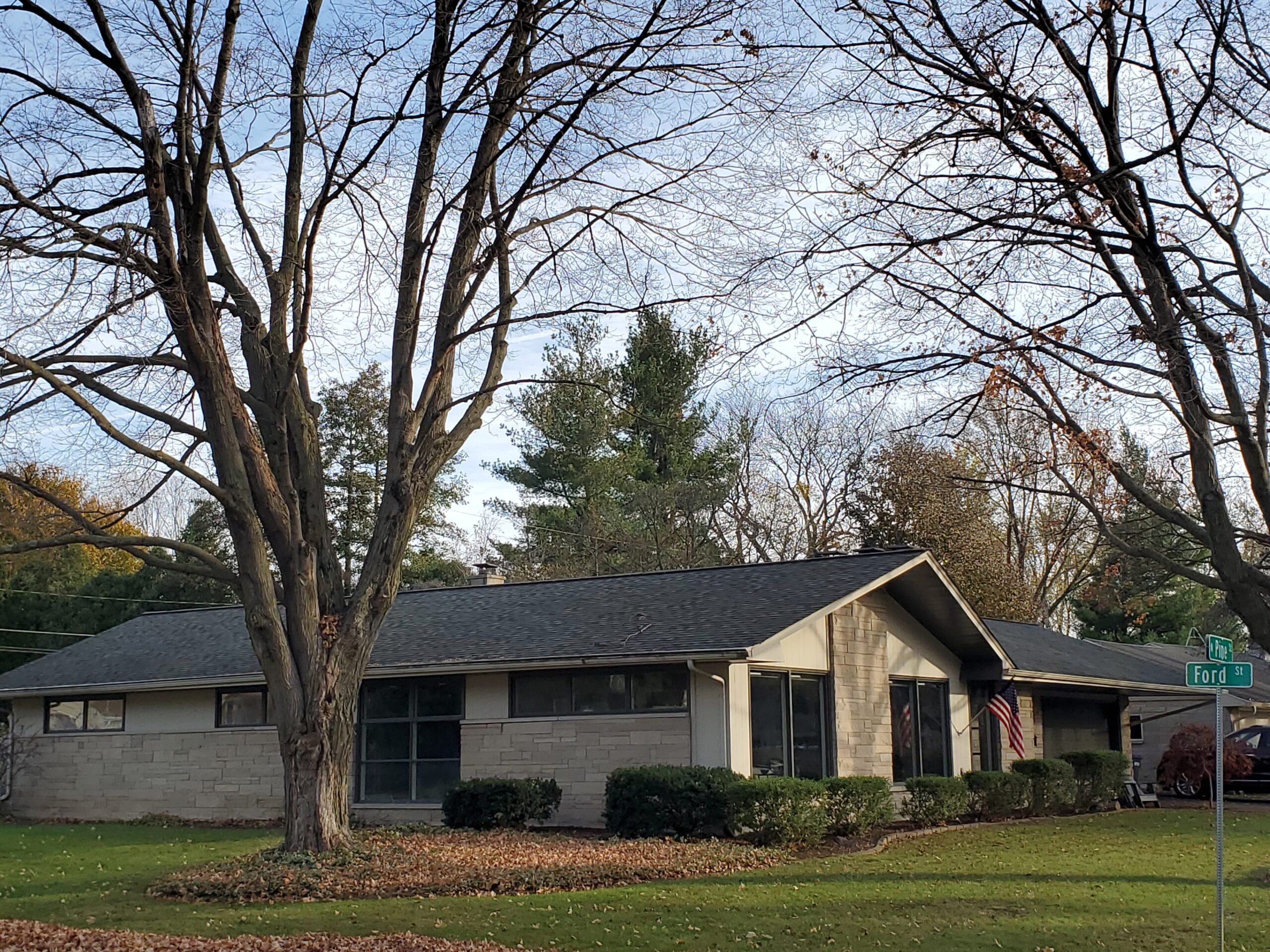
225 Pine Street – 1955
Arthur J. Devine
Ranch

221 Maple – 1967
Arthur J. Devine
Split Level
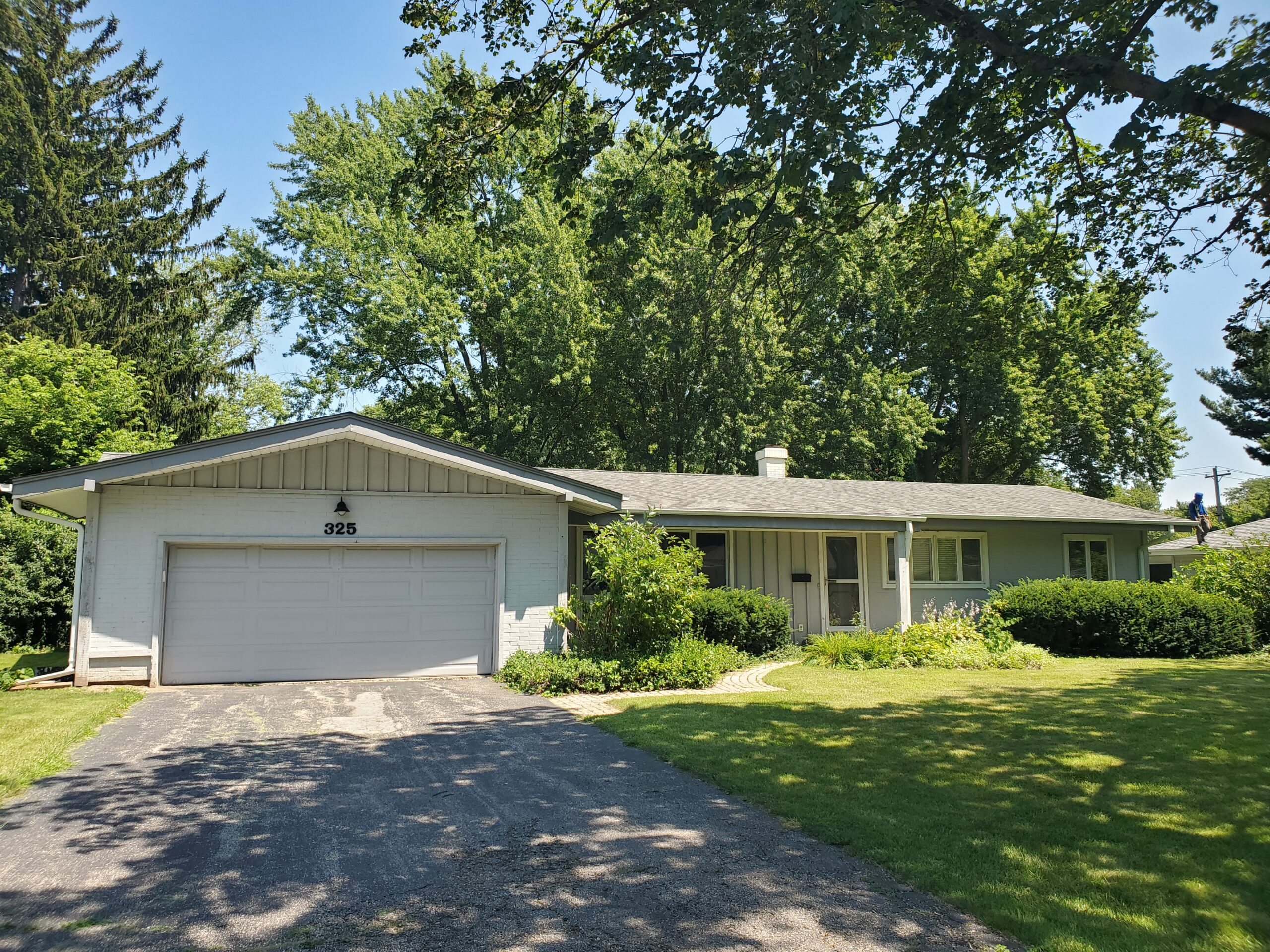
325 Maple – 1957
Ranch
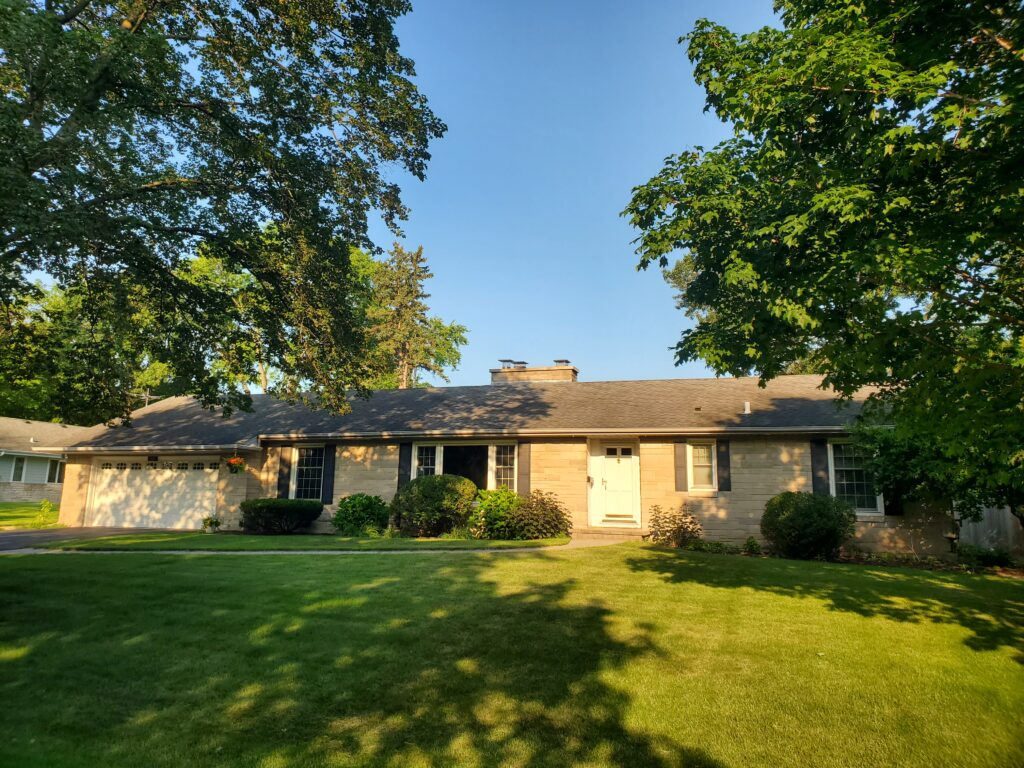
508 Maple – 1957
Arthur J. Devine
Ranch

702 Maple – 1960
Arthur J. Devine
Neoclassical Revival
326 Willow – 1960
Split Level
620 Willow – 1959
Ed Keim
Split Level
DID YOU KNOW
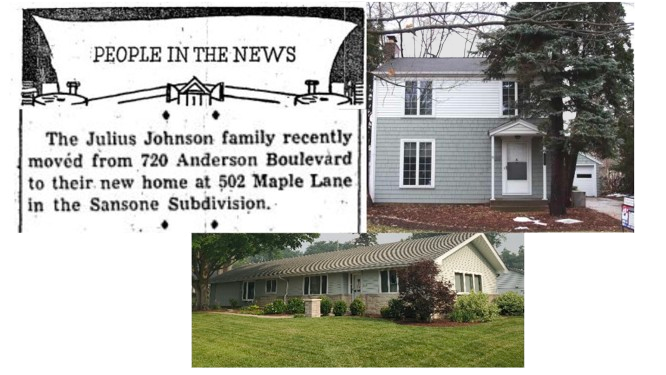
Almost half – 64 or 46% of the original households in Sansone’s Subdivision came from right here in Geneva. Many came from just blocks away, from teens, twenties, and forties housing in neighborhoods north of Center Street and east of Anderson Boulevard. The Julius Johnson family is one such household that moved in 1957 from a 1946 Colonial Revival home on Anderson Boulevard to a sprawling new Ranch on Maple Lane.